Why foundations move around Arlington
Tarrant County crosses four natural regions, and the soil changes with them. What that means for your house.
Four regions in one county
The Handbook of Texas divides Tarrant County into four natural regions running west to east. In its description:
- Western Cross Timbers: very shallow to deep loamy and clayey soils.
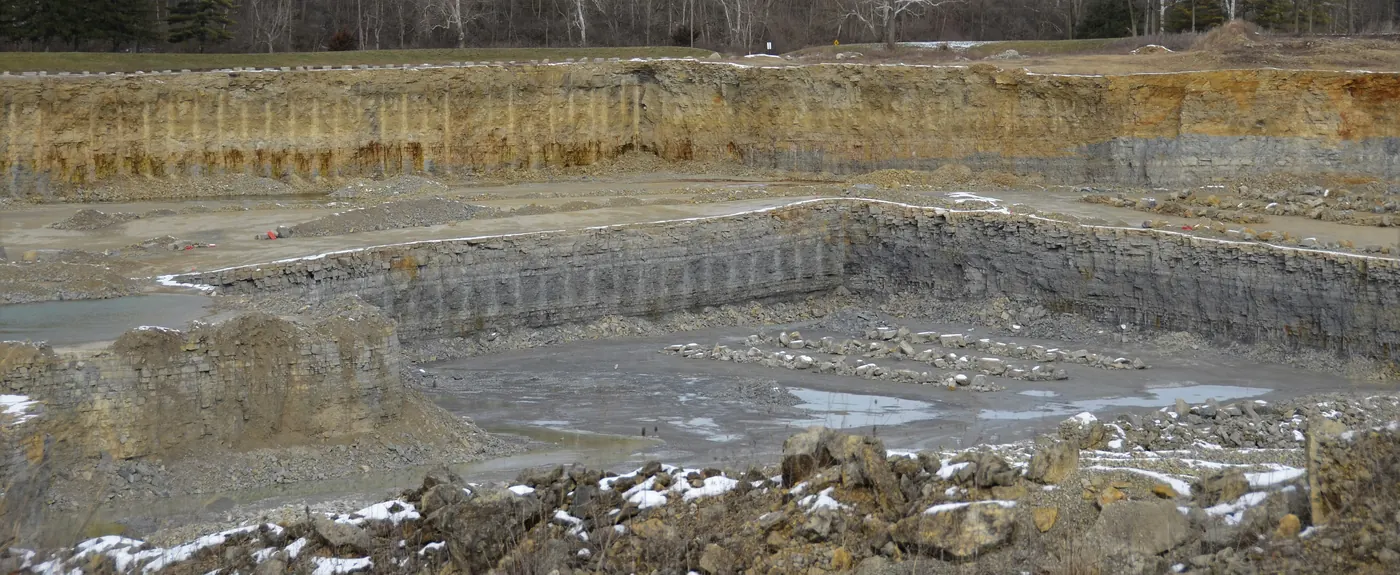
- Grand Prairie: shallow clay over alternating layers of limestone and marl.
- Eastern Cross Timbers: deep loamy soil under post oak and blackjack oak.
- Blackland Prairie, in the southeast corner: rich clay and loam.
Arlington, Kennedale, Pantego and Dalworthington Gardens are all in Tarrant County. Grand Prairie and Mansfield reach into neighboring counties too. The practical point: don't assume your lot's soil from your neighbor's town. The USDA's free Web Soil Survey lets you draw a box around your property and see the soil mapped there.
Clay that cracks and swells
The Texas Almanac, drawing on USDA soil scientists, describes Blackland soils as "cracking clays" that open deep cracks in dry weather. It says their high shrink-swell behavior can seriously damage foundations, highways and other structures. Grand Prairie uplands, it says, are mostly dark-gray alkaline clays, some of them shallow over limestone.
The USDA's official description of the Ferris series, a clay soil mapped across east-central Texas, gives a sense of scale: high shrink-swell potential, with cracks 1 to 8 centimeters wide that stay open 120 to 150 days in a typical year.
Researchers in UT Arlington's geotechnical program describe damage to buildings and pavement on expansive clay as greater than the damage from earthquakes and floods.
What you can control: water
Soil moves most when its moisture changes. The Texas Section of the American Society of Civil Engineers' repair guidelines, written for engineers, include several homeowner-level points:
- Keep soil moisture around the house even, and don't overwater.
- Grade the ground to fall away from the house. The guidelines call for at least a 5% slope over the first 10 feet.
- Removing or pruning large trees near the house can reduce drying, but the soil may heave afterward, so engineers sometimes recommend waiting before repairs.
Signs worth writing down
Common things homeowners notice: diagonal cracks at the corners of doors and windows, cracks in brick, doors that drag or won't latch, gaps along baseboards, and floors that slope. None of these alone proves a foundation problem. Photograph them with a ruler in the frame and the date, and check again in a month. An engineer's evaluation is how you find out what's going on.
Questions people ask
What kind of soil is Arlington built on?
It varies. The Handbook of Texas describes Tarrant County as four natural regions, from shallow clay over limestone to deep loam to Blackland Prairie clay in the southeast. Look up your own address in the USDA Web Soil Survey.
Why does clay soil damage foundations?
Expansive clay shrinks as it dries and swells as it wets. The Texas Almanac says that shrink-swell behavior in Blackland soils can seriously damage foundations.
How should the ground slope around my house?
The Texas Section ASCE repair guidelines recommend at least a 5% slope away from the foundation over the first 10 feet, which works out to 6 inches of fall.
Have a contractor take a look
Fill in the form or call us. We pass the request to a local foundation repair contractor, and it costs homeowners nothing.
Calls that go to voicemail: leave your name, number, the property address and what you've noticed.